

Dentista con sedación en Los Ángeles
¿Alguna vez te ha dado miedo ir al dentista? ¿Siente agitación y tiene problemas para dormir la noche anterior a su cita con el dentista? ¿Alguna vez ha deseado poder dormirse y despertarse sin más y que todo el tratamiento esté hecho? You are not alone: today nearly 1 in 3 people experience fear of going to the dentist! The good news is a sedation dentist can help alleviate your fears and provide a pain-free and anxiety-free experience at the dentist. Schedule a consultation with Dr. Anthony Mobasser, a top dentista cosmético en Los Angeles ¡hoy!
 Dr. Anthony Mobasser alias " Dentista famoso ” who practices in Los Angeles, near Beverly Hills and the West Hollywood CA area, recommends Sedation Dentistry for his apprehensive patients, or his Executive patients who want their dentistry done in a day, having as much treatment done in one session.
Most of his out-of-town patients or patients visiting him from around the world want their treatment done in a shorter period of time, efficiently and without any discomfort whatsoever, that is why he does bring in a dental Anesthesiologist to cater to their needs.
Dr. Mobasser also recommends IV sedation for his medically compromised patients who suffer from high blood pressure, diabetes, epilepsy, and other medical complications. Of course, a complete consultation with Dr. Mobasser and his Anesthesiologist is a must.
Dr. Anthony Mobasser alias " Dentista famoso ” who practices in Los Angeles, near Beverly Hills and the West Hollywood CA area, recommends Sedation Dentistry for his apprehensive patients, or his Executive patients who want their dentistry done in a day, having as much treatment done in one session.
Most of his out-of-town patients or patients visiting him from around the world want their treatment done in a shorter period of time, efficiently and without any discomfort whatsoever, that is why he does bring in a dental Anesthesiologist to cater to their needs.
Dr. Mobasser also recommends IV sedation for his medically compromised patients who suffer from high blood pressure, diabetes, epilepsy, and other medical complications. Of course, a complete consultation with Dr. Mobasser and his Anesthesiologist is a must.
 Otra ventaja de la sedación intravenosa consciente (en comparación con la anestesia general) es que no supone ningún problema a la hora de llevar a cabo los procedimientos, ya que el paciente está consciente y puede cooperar con las instrucciones. Además, no hay ningún tubo en la vía aérea.
Sedación consciente La medicación ansiolítica es la forma más sencilla de sedación, en la que se toma una pastilla la noche anterior y media hora antes de la visita al dentista. Esta pastilla le permitirá relajarse un poco antes del procedimiento, pero seguirá necesitando una inyección de anestesia local para garantizar una sedación adecuada. A veces, superar un poco de ansiedad es todo lo que se necesita para que usted proceda con el tratamiento necesario y evite un mayor colapso.
¿Cómo elegir al dentista especialista en sedación adecuado?
Experiencia, Conocimiento, capacidad y reputación, para su seguridad y conseguir que se realice el tratamiento óptimo necesario. Hoy en día hay muchos dentistas que promueven la "odontología de sedación", pero no existe una definición exacta del término "dentista de sedación". Basta con decir cuántas veces han realizado la odontología bajo sedación sin complicaciones, y por supuesto conocer al Anestesiólogo dental adecuado también, con EXPERIENCIA Y CONOCIMIENTO es de vital importancia a la hora de evaluar someterse a la odontología bajo sedación.
¿Es segura la sedación dental?
Generally speaking, it is extremely safe, depending on the reputation and expertise of your dentist. on some individuals with extreme medical and systemic conditions such as heart problems, obesity, sleep apnea, and neurological disorder the dental anesthesiologist will consult the patient-physician for safekeeping.
Today, people are looking for something more than a shot of Novocaine. Some people would just rather “sleep through it”, due to their dental phobia, or limited jaw opening, or having problems with the sound of drill or instruments, low pain threshold, and in order to get their necessary or elective dental treatment, they need a dentist who offers them sedation dentistry, and someone they can trust.
Keep in mind the following issues to discuss with a sedation dentist:
Otra ventaja de la sedación intravenosa consciente (en comparación con la anestesia general) es que no supone ningún problema a la hora de llevar a cabo los procedimientos, ya que el paciente está consciente y puede cooperar con las instrucciones. Además, no hay ningún tubo en la vía aérea.
Sedación consciente La medicación ansiolítica es la forma más sencilla de sedación, en la que se toma una pastilla la noche anterior y media hora antes de la visita al dentista. Esta pastilla le permitirá relajarse un poco antes del procedimiento, pero seguirá necesitando una inyección de anestesia local para garantizar una sedación adecuada. A veces, superar un poco de ansiedad es todo lo que se necesita para que usted proceda con el tratamiento necesario y evite un mayor colapso.
¿Cómo elegir al dentista especialista en sedación adecuado?
Experiencia, Conocimiento, capacidad y reputación, para su seguridad y conseguir que se realice el tratamiento óptimo necesario. Hoy en día hay muchos dentistas que promueven la "odontología de sedación", pero no existe una definición exacta del término "dentista de sedación". Basta con decir cuántas veces han realizado la odontología bajo sedación sin complicaciones, y por supuesto conocer al Anestesiólogo dental adecuado también, con EXPERIENCIA Y CONOCIMIENTO es de vital importancia a la hora de evaluar someterse a la odontología bajo sedación.
¿Es segura la sedación dental?
Generally speaking, it is extremely safe, depending on the reputation and expertise of your dentist. on some individuals with extreme medical and systemic conditions such as heart problems, obesity, sleep apnea, and neurological disorder the dental anesthesiologist will consult the patient-physician for safekeeping.
Today, people are looking for something more than a shot of Novocaine. Some people would just rather “sleep through it”, due to their dental phobia, or limited jaw opening, or having problems with the sound of drill or instruments, low pain threshold, and in order to get their necessary or elective dental treatment, they need a dentist who offers them sedation dentistry, and someone they can trust.
Keep in mind the following issues to discuss with a sedation dentist:
Dr. Anthony Mobasser alias " Dentista famoso ” who practices in Los Angeles, near Beverly Hills and the West Hollywood CA area, recommends Sedation Dentistry for his apprehensive patients, or his Executive patients who want their dentistry done in a day, having as much treatment done in one session.
Most of his out-of-town patients or patients visiting him from around the world want their treatment done in a shorter period of time, efficiently and without any discomfort whatsoever, that is why he does bring in a dental Anesthesiologist to cater to their needs.
Dr. Mobasser also recommends IV sedation for his medically compromised patients who suffer from high blood pressure, diabetes, epilepsy, and other medical complications. Of course, a complete consultation with Dr. Mobasser and his Anesthesiologist is a must.
Sedación dental procedimientos comunes en Los Ángeles
¿Cuáles son las tres formas de sedación utilizadas en odontología?
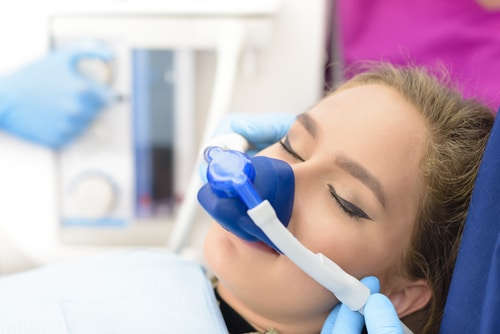
Odontología bajo sedación 1-IV (intravenosa) o Sueño crepuscular, hecho en la oficina. 2-General Anesthesia (usually performed in surgical centers or hospitals). 3-Oral sedation, or conscious sedation, using pills, with the possibility of using nitrous oxide N2O, laughing gas. Sedation dentistry allows you to be sedated just enough to be pain-free and unaware of the treatment as if you were relaxing the entire time. This is why it is commonly referred to as conscious sedation dentistry. So, if you have sensitive teeth, a fear of dentists, bad gag reflexes, if you detest needles, or have limited time to spend at the dentist, visiting a sedation dentist may be right for you. ¿Por qué la sedación intravenosa es adecuada para usted? Sedación intravenosa, la forma de sedación más potente que existe. Para que no sienta ninguna molestia, ni recuerde el procedimiento por el que ha pasado, el tratamiento dental se le realiza mientras duerme, también se denomina Odontología del sueño. This method involves using an IV line to administer a very precisely calculated dose of relaxing agents or drugs directly into your body to immediately quiet your mind. It is our preferred method of sedation and the most common choice of discriminating patients who do not do well sitting in dental chairs.SEDACIÓN CONSCIENTE o Sedación Oral Dentista
Anti-anxiety sedatives (i.e. Benzodiazepine) are typically used orally. Pills such as Valium, Xanax, or Ativan can be administered to relax the patient sufficiently. Consistent with standard procedure for anesthesia, one must not operate a vehicle after the sedation and the individual must arrange for a ride home. In the event of lengthy, complex procedures, barbiturates and/or opiates can be utilized in combination with the other drugs or compounds. However, in such events, a highly trained dental anesthesiologist is present for the procedure to monitor the patient. ¿Cuáles son las principales ventajas de la sedación intravenosa? The onset of action is very rapid, and drug dosage and level of sedation can be tailored to meet the individual’s needs. This is a major advantage compared to oral sedation, where the effects can be very unreliable. IV sedation, on the other hand, is both highly effective and very reliable. The maximum level of sedation which can be reached with IV Sedation is deeper than with Conscious or inhalation sedation (such as Nitrous Oxide or N2O gas). The gag reflex is largely diminished – people receiving IV sedation rarely experience difficulty with gagging. However, if minimizing a severe gag reflex is the main objective, other methods such as topical anesthetic must be considered first.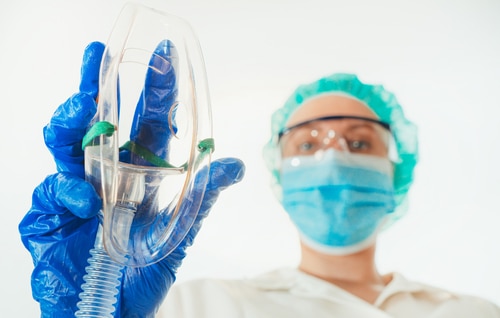 Otra ventaja de la sedación intravenosa consciente (en comparación con la anestesia general) es que no supone ningún problema a la hora de llevar a cabo los procedimientos, ya que el paciente está consciente y puede cooperar con las instrucciones. Además, no hay ningún tubo en la vía aérea.
Sedación consciente La medicación ansiolítica es la forma más sencilla de sedación, en la que se toma una pastilla la noche anterior y media hora antes de la visita al dentista. Esta pastilla le permitirá relajarse un poco antes del procedimiento, pero seguirá necesitando una inyección de anestesia local para garantizar una sedación adecuada. A veces, superar un poco de ansiedad es todo lo que se necesita para que usted proceda con el tratamiento necesario y evite un mayor colapso.
¿Cómo elegir al dentista especialista en sedación adecuado?
Experiencia, Conocimiento, capacidad y reputación, para su seguridad y conseguir que se realice el tratamiento óptimo necesario. Hoy en día hay muchos dentistas que promueven la "odontología de sedación", pero no existe una definición exacta del término "dentista de sedación". Basta con decir cuántas veces han realizado la odontología bajo sedación sin complicaciones, y por supuesto conocer al Anestesiólogo dental adecuado también, con EXPERIENCIA Y CONOCIMIENTO es de vital importancia a la hora de evaluar someterse a la odontología bajo sedación.
¿Es segura la sedación dental?
Generally speaking, it is extremely safe, depending on the reputation and expertise of your dentist. on some individuals with extreme medical and systemic conditions such as heart problems, obesity, sleep apnea, and neurological disorder the dental anesthesiologist will consult the patient-physician for safekeeping.
Today, people are looking for something more than a shot of Novocaine. Some people would just rather “sleep through it”, due to their dental phobia, or limited jaw opening, or having problems with the sound of drill or instruments, low pain threshold, and in order to get their necessary or elective dental treatment, they need a dentist who offers them sedation dentistry, and someone they can trust.
Keep in mind the following issues to discuss with a sedation dentist:
Otra ventaja de la sedación intravenosa consciente (en comparación con la anestesia general) es que no supone ningún problema a la hora de llevar a cabo los procedimientos, ya que el paciente está consciente y puede cooperar con las instrucciones. Además, no hay ningún tubo en la vía aérea.
Sedación consciente La medicación ansiolítica es la forma más sencilla de sedación, en la que se toma una pastilla la noche anterior y media hora antes de la visita al dentista. Esta pastilla le permitirá relajarse un poco antes del procedimiento, pero seguirá necesitando una inyección de anestesia local para garantizar una sedación adecuada. A veces, superar un poco de ansiedad es todo lo que se necesita para que usted proceda con el tratamiento necesario y evite un mayor colapso.
¿Cómo elegir al dentista especialista en sedación adecuado?
Experiencia, Conocimiento, capacidad y reputación, para su seguridad y conseguir que se realice el tratamiento óptimo necesario. Hoy en día hay muchos dentistas que promueven la "odontología de sedación", pero no existe una definición exacta del término "dentista de sedación". Basta con decir cuántas veces han realizado la odontología bajo sedación sin complicaciones, y por supuesto conocer al Anestesiólogo dental adecuado también, con EXPERIENCIA Y CONOCIMIENTO es de vital importancia a la hora de evaluar someterse a la odontología bajo sedación.
¿Es segura la sedación dental?
Generally speaking, it is extremely safe, depending on the reputation and expertise of your dentist. on some individuals with extreme medical and systemic conditions such as heart problems, obesity, sleep apnea, and neurological disorder the dental anesthesiologist will consult the patient-physician for safekeeping.
Today, people are looking for something more than a shot of Novocaine. Some people would just rather “sleep through it”, due to their dental phobia, or limited jaw opening, or having problems with the sound of drill or instruments, low pain threshold, and in order to get their necessary or elective dental treatment, they need a dentist who offers them sedation dentistry, and someone they can trust.
Keep in mind the following issues to discuss with a sedation dentist:
- ¿Es usted un dentista sedante?
- ¿Qué tipo de pacientes trata habitualmente el dentista especialista en sedación?
- ¿Qué tipos de sedación ofrece el dentista?
- ¿Puedo recibir todo el tratamiento en una sola visita con sedación?
- ¿Cuánto cuesta un dentista sedado?
¿El seguro dental cubre la sedación?
Es muy poco frecuente que las compañías de seguros cubran una visita a un dentista sedado. Sin embargo, en algunos casos seleccionados, el seguro puede cubrir el coste adicional (si, por ejemplo, un tratamiento que de otro modo requeriría varias visitas se realiza durante una sola visita). La sedación intravenosa suele no covered under any of the common circumstances. The cost of IV sedation is usually a separate fee added to the cost of the dental procedure. The hourly rate can range from $250 to $1000 per hour depending on duration, past medical history, and the experience of the anesthesiologist.¿Es segura la sedación intravenosa?
IV sedation is Entirely safe! Specialized training is required for the operating dentist, and if certain drugs are used, an anesthesiologist must also be present. However, when carried out correctly and under proper conditions, IV sedation is even safer than localized anesthetic on its own! Exceptions: if you are pregnant, have known allergies to Benzodiazepine, are intolerant of alcohol, suffer from CNS depression, or have some instances of Glaucoma, IV sedation cannot be performed. Additional concerns are considered in instances of psychosis, impaired function of Lungs, Kidney or Liver, or advanced age. ¿Qué hacer después de la sedación intravenosa?- Asegúrese de que una persona responsable le acompañe a casa. Se recomienda que permanezca en casa el resto del día.
- Permanezca en presencia de una persona responsable hasta que vuelva a estar totalmente alerta.
- Evite cualquier actividad agotadora o laboriosa (incluida la conducción) durante el resto del día.
- No consuma una comida pesada de inmediato. Si sientes hambre, es mejor que tomes alimentos ligeros, como una tostada.
- Si te encuentras mal y tienes náuseas, túmbate. Un refresco también puede ayudar.
- No consuma alcohol ni tome medicamentos durante el resto del día, a menos que el dentista le indique lo contrario.
- Siga tomando los medicamentos que le indique su dentista.
- Si ocurre algo inusual, llame a su dentista.